
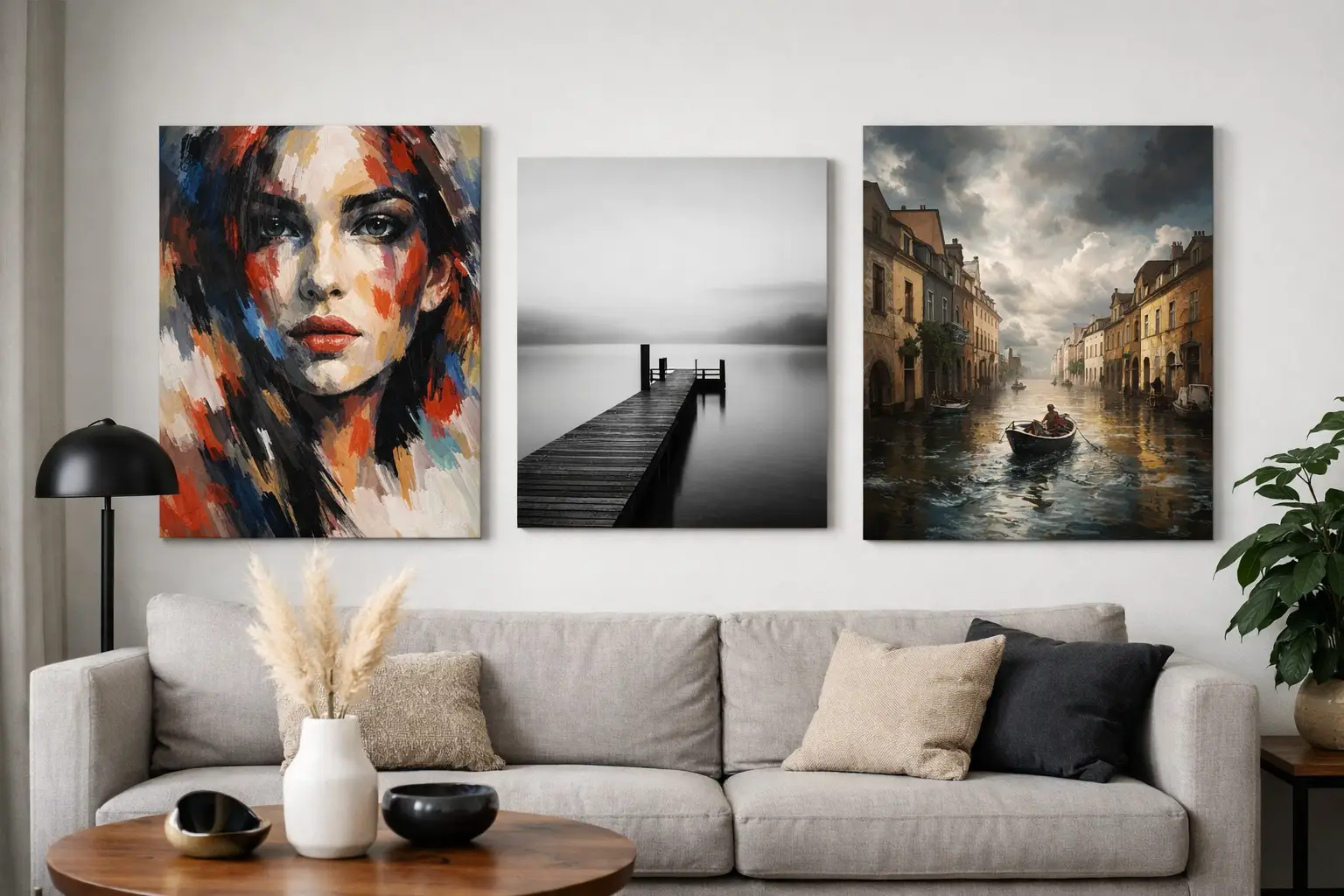
A work of art can instantly bring tranquility, color, or personality to a space. But what if you want to be able to adapt that atmosphere to a new season, a different interior design, or a changing workplace? Digital art rental offers an interesting solution: instead of having a single piece on the wall for years, you can enjoy a rotating collection that continues to reflect your taste and complement your space.
Digital art has long since ceased to be limited to an image on a computer. Through high-quality screens, digital frames, or video walls, art can become a full-fledged part of an interior. Yet this form of rental differs from renting a painting, print, or photograph from a traditional art lending service. To make a good choice, you should therefore consider not only the image itself, but also the technology, atmosphere, copyright, and the way the art is experienced on a daily basis.
What exactly does digital art rental entail?
With digital art rentals, you typically rent access to a curated collection of digital artworks. These are displayed on your own screen, a digital frame, or a screen that is part of the rental package. Depending on the provider, the selection changes automatically, you choose works yourself from an online platform, or the collection is updated periodically.
The collection may include digital illustrations, moving images, generative art, photography, video art, and animations. Some works change very subtly throughout the day. Others, on the other hand, have a distinct presence, featuring color, movement, or sound. For a quiet living room, a slowly moving abstract image is often more pleasant than a brightly flashing animation. In a reception area or restaurant, however, that same bold presentation can work very well.
The rental model makes digital art accessible. You don’t have to invest right away in an expensive screen or a permanent collection, yet you can still experience how digital art transforms a space. This is appealing to individuals who like to mix things up, but certainly also to organizations that want to regularly give their lobby, meeting room, or waiting area a fresh look.
Digital art rental or renting physical art?
The choice between digital and physical art isn’t just about practical convenience. They represent two different ways of seeing. An original painting has texture, material, and a presence that changes with the light of day. A framed print or photograph brings a sense of tangibility and craftsmanship to an interior. It is precisely that physical quality that makes many people want to continue viewing a piece for a long time.
Digital art has other strengths. You can switch works without having a new piece delivered, tailor a collection to a campaign or event, and showcase different artists on a single screen. For spaces where flexibility is key, this is a clear added value. Think of an office with a rotating cast of visitors, a practice space that needs to maintain a calm atmosphere, or an apartment where hanging a large artwork would be difficult.
On the other hand, a screen demands attention. It needs to complement the wall, be properly calibrated, and not cause distracting reflections. It also consumes electricity and, no matter how beautifully designed, remains a technical object. Those who are primarily looking for a work of art with texture, a unique frame, and a story of its own may feel more at home with physical art rentals.
There is no single right answer. A carefully chosen painting above the sofa and a digital display in the entryway can even complement each other. It all comes down to which space calls for tranquility, which for variety, and which for a personal touch.
How to Choose Art That Looks Its Best on a Screen
A digital artwork often looks very different on a small screen than it does on a large screen mounted on the wall. Therefore, don’t start with the technology—start with the space. Consider the viewing distance, the lighting, the color of the wall, and the room’s function. A workspace usually calls for concentration and tranquility. A reception area, on the other hand, can be more surprising and encourage conversation.
Size is also a key factor. A large screen can look stunning on a long, empty wall, but may become too overpowering in a compact living room. Conversely, a small digital frame can get lost next to a spacious dining table or a wide cabinet. Just as with paintings and photos, it helps to first mark the desired size on the wall with paper or tape.
Next, pay attention to color and pace. Digital art doesn’t have to be constantly moving to be vibrant. A still image that changes occasionally can be just as exciting and often creates a greater sense of calm. Movement works best when it serves a clear purpose: a gentle color transition, undulating light, or an image that slowly reveals new details.
When it comes to art in a business setting, it’s wise to look beyond corporate colors. Art that looks too much like an advertisement quickly loses its impact. Instead, choose pieces that align with the atmosphere you want to create: open, thoughtful, energetic, or, conversely, serene. This way, art becomes part of the experience, not just decoration.
Always ask about picture quality and ease of use
A beautiful digital work deserves to be displayed well. Make sure the resolution matches the screen size and that colors remain vivid without becoming unnaturally bright. A matte screen often prevents distracting glare, especially when placed in front of windows or lights.
The controls should remain simple. Can you select a different piece with just a few steps? Is help available if the connection is lost? And can the screen be set to turn on and off at specific times? These practical questions may seem minor, but they help determine whether digital art is enjoyable or just an unnecessary hassle.
Costs, contracts, and rights deserve attention
The cost of digital art rentals often includes more than just the art selection. There may be fees for the screen, installation, technical support, software, and changing the collection. Therefore, don’t just compare monthly rates. Ask what exactly is included and whether there is a minimum rental period.
It’s also important for businesses to clarify the terms of use. Can the artwork be visible to customers and visitors? Can an image of the space appear in a photo posted on social media? When it comes to digital art, licenses and copyrights play a bigger role than many tenants expect. A clear agreement prevents disappointment later on.
People who rent for home use often need flexibility above all else. In that case, check whether it’s easy to pause, switch, or cancel your service. Those who rent for business use, on the other hand, may benefit from a longer contract term, professional installation, and a dedicated point of contact. The best arrangement therefore depends on your usage, not just on your available budget.
The Value of Personalized Art Advice
Online, you can quickly view a lot of images, but a screen doesn’t always convey how art will look in your own home. That’s why personal advice remains valuable. A specialist can help you coordinate size, color, and presentation, and can also honestly tell you when a physical artwork is likely a better fit than a digital alternative.
At Amersfoort Art, this personal approach is central to selecting art for your home and workplace. The opportunity to view art, seek advice, and visualize how it will look on your wall helps you make a choice not only based on intuition but also with confidence. This is especially true when you’re torn between changing your art regularly and choosing a piece that will stay with you for years to come.
When making your selection, feel free to bring a photo, floor plan, or color sample of the space. This will help make the discussion more concrete. You’ll be able to see more quickly whether a bold piece will elevate the space, or whether a softer piece will actually balance better with the furniture, lighting, and materials.
When is digital art a good choice?
Digital art rental is a great fit for people and organizations that value change. You love art but don’t want to be tied down to a single piece. You have a space that’s regularly repurposed. Or you’re curious about moving images without having to make a major purchase right away.
It’s less obvious when you’re drawn to brushstrokes, the texture of the paper, a handmade frame, or the unique appeal of an original work. Even in spaces where the screen is almost always turned off, digital art fails to serve its purpose. In such cases, a carefully chosen physical work of art can add more warmth and character.
So first, consider how you want to live with or engage with art. Do you want to be surprised every day, or do you want to gradually discover more and more in that one piece? Both approaches can be special. The best choice is the one you’ll continue to enjoy looking at, even after your initial enthusiasm has given way to a familiar sense of pleasure.


